

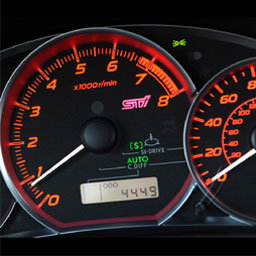
Cruise Control is an automated feature designed to regulate the speed of a motor vehicle, alleviating the need for the driver to maintain constant pressure on the accelerator during extended journeys. This system relies on sophisticated technology, including reed switches and magnets, to provide accurate feedback on the vehicle’s speed and ensure seamless operation across varying road conditions.
To effectively maintain a predetermined speed during cruise control, the central microprocessor of the vehicle utilizes feedback mechanisms to continuously monitor the actual speed of the vehicle.
Reed switches and magnets are strategically mounted on the vehicle’s wheel assemblies, where they generate square wave pulse counting output. This output serves as essential input for both the cruise control system and the Anti-lock Braking System (ABS), facilitating precise speed regulation and enhanced safety.
By strategically positioning reed switches and magnets on the wheel assemblies, the cruise control system can accurately measure the rotational speed of the wheels. This information is then transmitted to the vehicle’s on-board electronics, which calculates the engine RPM and adjusts the throttle accordingly to maintain the desired speed. Additionally, this feedback mechanism allows the cruise control system to adapt to changes in road gradient, ensuring consistent performance and optimal fuel efficiency even on hilly terrain.
The integration of reed switches and magnets into the cruise control system exemplifies their versatility and reliability in automotive applications. These components play a crucial role in providing accurate speed feedback, enabling smooth and efficient operation of cruise control systems. As a result, drivers can enjoy enhanced comfort and convenience during long-distance journeys, while also benefiting from improved fuel economy and safety features provided by cruise control technology. In addition, the cruise control is also turned off when the brake pedal that triggers the stop light is depressed.
🧰 Application Classification
Applications are classified as Position Sensing, Pulse Counting, Electromagnetic or Relay, Temperature Sensing or Magnet Biasing types. This application is classified as follows and the link gives more information on best practices to help select the most suitable AT band and matching magnet.
✅ Recommended Products
The Reed Switches and Sensors used in such applications need to be robust, durable and efficient in meeting a high life expectancy. Our engineers work hard in life testing our products under various conditions, and our intention is to ensure end product durability and life. Although we wouldn’t want to restrict any of our products for use in only certain applications, the recommended products for use in this application are listed below.